



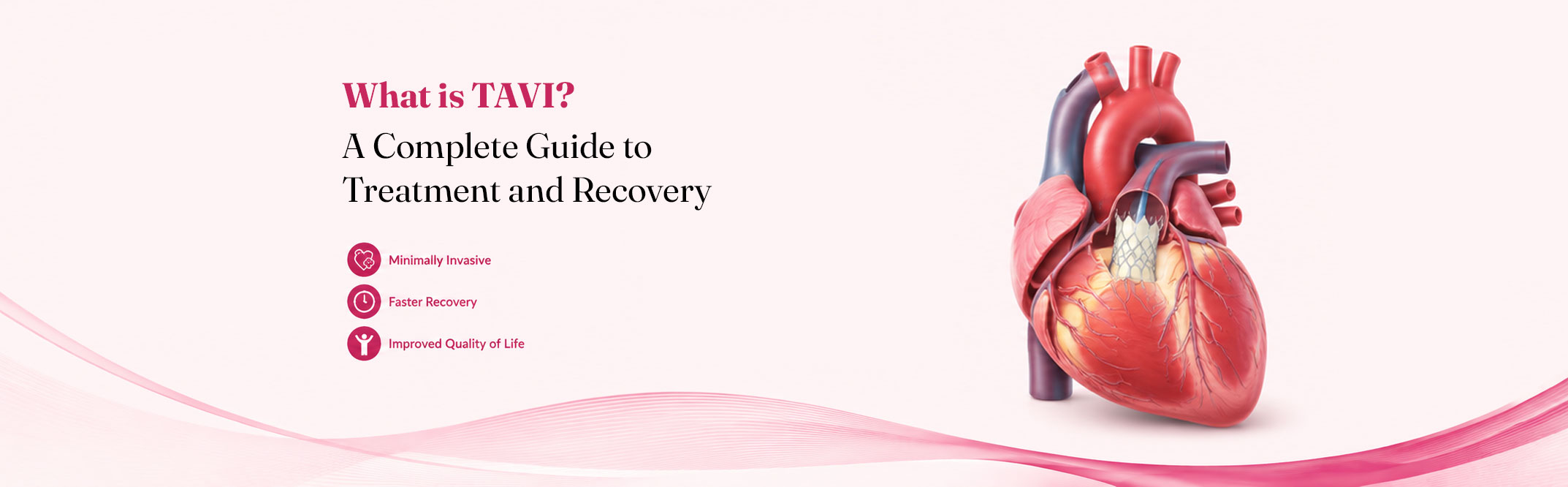
What Is TAVI? A Guide for Patients and Their Families
July 28, 2026
Feeling breathless after climbing a few stairs? Struggling with everyday activities that once felt effortless?
While these symptoms are often linked to ageing, they may also be signs of severe aortic stenosis, a condition where the heart's aortic valve becomes narrowed and restricts blood flow. Today, many patients no longer require traditional open-heart surgery to treat this condition. Transcatheter Aortic Valve Implantation (TAVI), also known as TAVR, offers a minimally invasive treatment option for many people after careful clinical assessment. At Woodlands Multispeciality Hospital, every patient is evaluated by an experienced multidisciplinary heart team to recommend the treatment best suited to their individual needs.
What is TAVI?
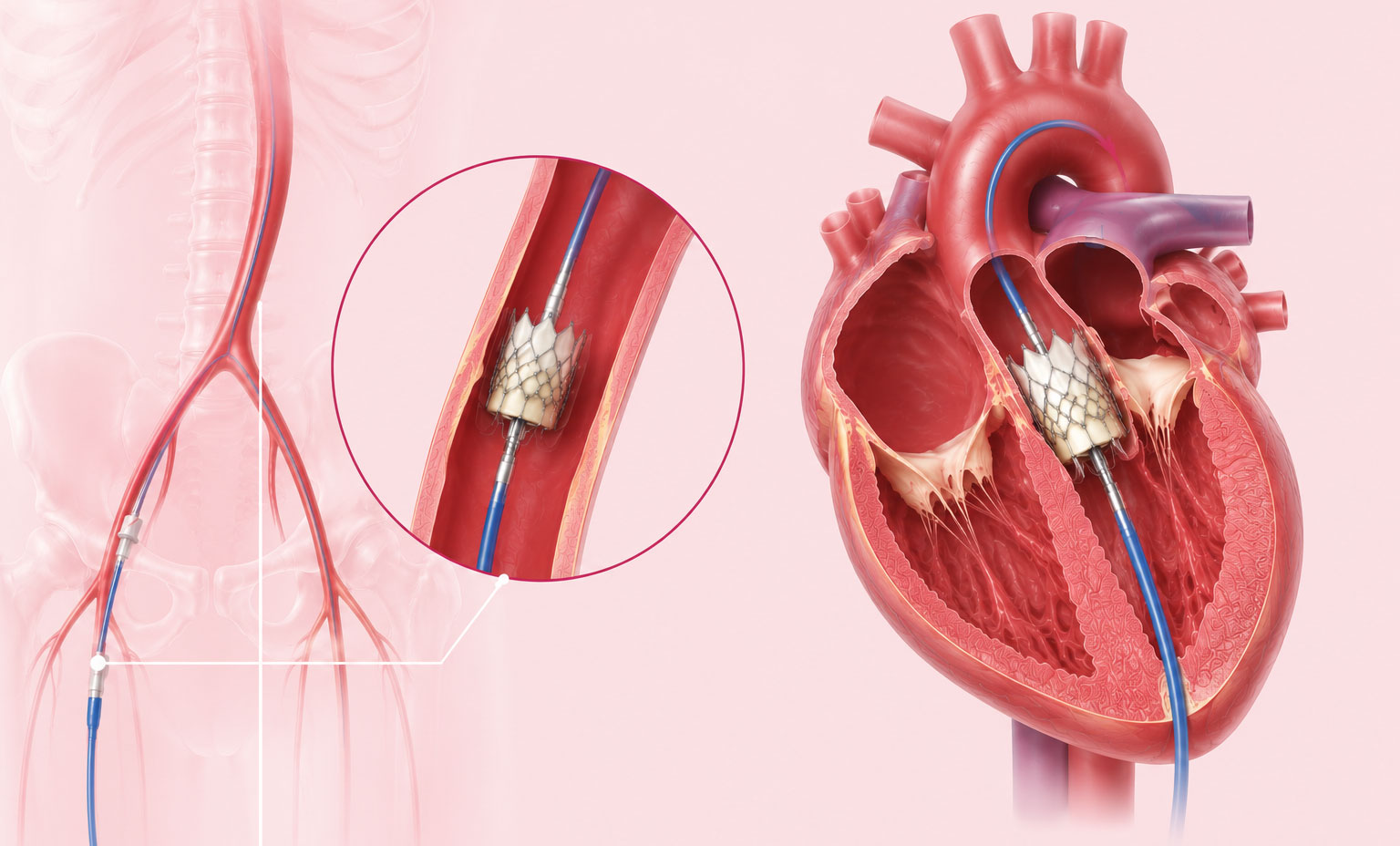
Transcatheter Aortic Valve Implantation (TAVI) is a minimally invasive procedure used to replace a severely narrowed aortic valve without opening the chest. During the procedure, a replacement valve is guided to the heart through a thin catheter, usually inserted through an artery in the groin. Once positioned, the new valve begins regulating blood flow immediately. Although advanced technology supports the procedure, every step is performed under the guidance of an experienced structural heart team. You may also hear the procedure referred to as TAVR. Both terms describe the same treatment.
What is Aortic Stenosis?
The aortic valve controls the flow of oxygen-rich blood from the heart to the rest of the body. Over time, calcium deposits can cause the valve to become stiff and narrow, making it harder for the heart to pump blood efficiently.
Common symptoms include:
- Breathlessness during everyday activities
- Chest discomfort
- Fatigue
- Dizziness or fainting
- Reduced exercise tolerance
These symptoms should never be ignored. Early diagnosis can help your cardiologist recommend the most appropriate treatment before the condition progresses.
Who May Be Eligible for TAVI?
Not everyone with aortic valve disease requires TAVI. The decision is made after a detailed assessment by a multidisciplinary heart team.
Your evaluation will consider:
- The severity of the valve disease
- Your symptoms
- Your age and overall health
- Previous heart procedures
- Other medical conditions
- The structure of your heart and blood vessels
For many patients, TAVI may be an appropriate treatment option. For others, surgical valve replacement or another approach may be recommended. The decision is always personalised to ensure the most suitable care.
Why Early Assessment Matters. Severe aortic stenosis is a progressive condition. Seeking medical advice early can help identify the most appropriate treatment before symptoms become more severe.
If you have persistent breathlessness, chest discomfort, dizziness or increasing fatigue, speak with a cardiologist. At Woodlands Multispeciality Hospital, our structural heart specialists combine clinical expertise with advanced cardiac technology to provide personalised care and guide patients towards the treatment that's right for them.
How is TAVI Performed?
TAVI is carefully planned long before the procedure itself. Every patient undergoes a detailed evaluation, including heart imaging, blood tests and an overall assessment by the structural heart team to determine the safest and most appropriate treatment approach. During the procedure, a replacement valve mounted on a thin catheter is guided to the heart, most commonly through an artery in the groin. Once the new valve reaches the damaged aortic valve, it is positioned with precision and begins functioning immediately. Unlike conventional open-heart surgery, TAVI does not usually require opening the chest. This minimally invasive approach can help reduce the physical impact of treatment for many patients. Following the procedure, patients are closely monitored by the cardiac care team. Recovery varies from person to person, and your specialist will provide guidance based on your individual progress.
What are the Benefits of TAVI?
For patients who are suitable candidates, TAVI offers several potential advantages compared with traditional open-heart valve replacement.
These may include:
- A minimally invasive approach through a small incision.
- Less disruption to surrounding tissues.
- A shorter hospital stays for many patients.
- Earlier mobilisation following the procedure.
- A gradual return to normal daily activities.
- Faster recovery
- Less pain and discomfort
- No need for open-heart surgery
- Suitable for elderly and high-risk patients
- Helps patients previously considered unfit for surgery
- Improves blood flow through the heart
- Reduces breathlessness, chest pain and fatigue
While these benefits are encouraging, every patient's experience is different. Your cardiologist will discuss the potential benefits and risks based on your individual condition.
TAVI or Open-Heart Surgery: Which Is Right for You?
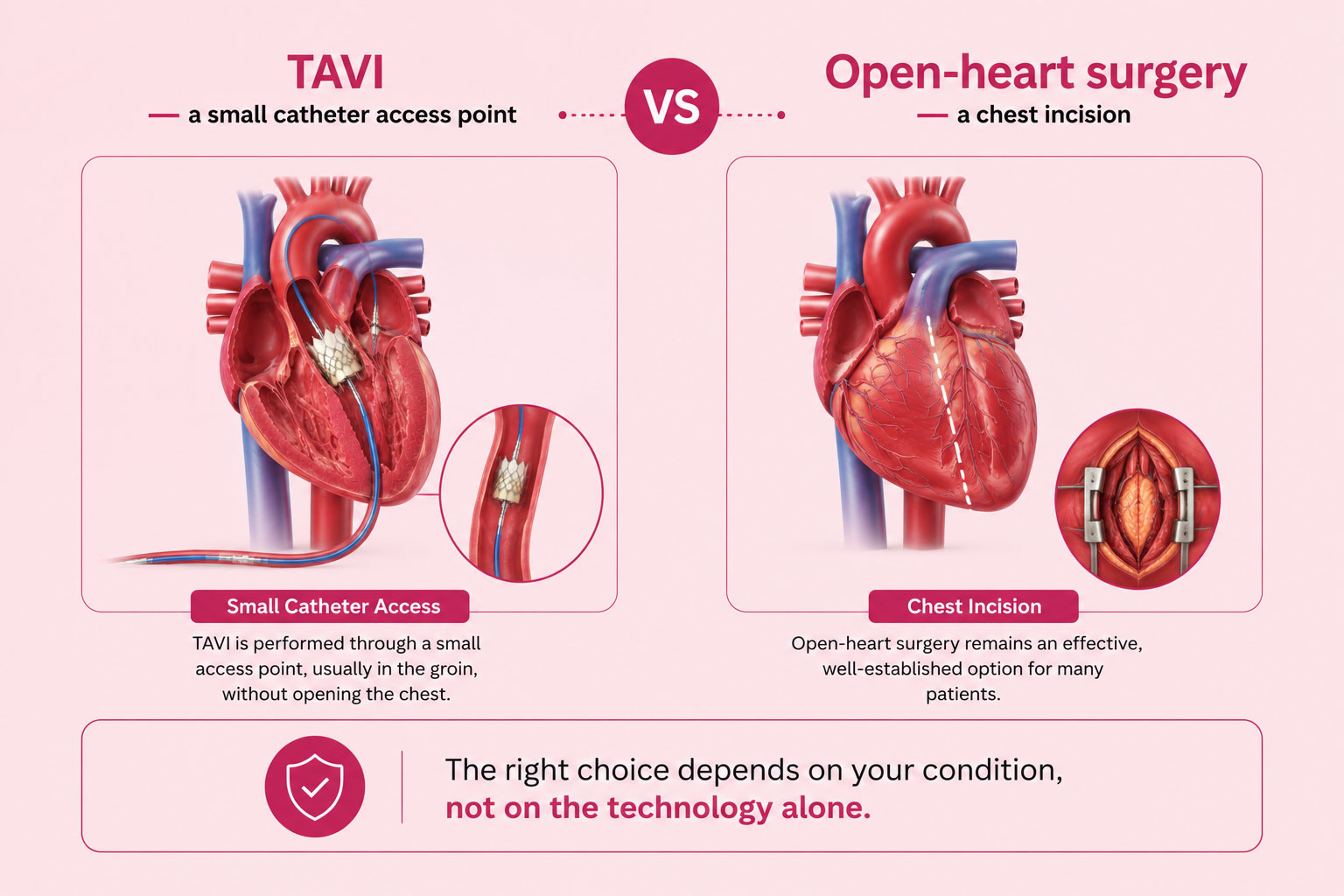
One of the most common questions patients ask is whether TAVI is better than open-heart surgery. The answer depends entirely on the individual. Both procedures are effective treatments for severe aortic stenosis. The most appropriate option is determined after a comprehensive evaluation by the heart team, considering factors such as age, overall health, previous heart procedures, valve anatomy and long-term treatment goals. Rather than asking which procedure is better, the more important question is: Which treatment is right for me? That decision should always be made in partnership with your cardiologist.
Why Choose Woodlands Multispeciality Hospital for TAVI?
At Woodlands Multispeciality Hospital, patients receive coordinated structural heart care supported by clinical expertise, advanced technology and personalised treatment planning.
Experienced structural heart team
Care is planned by specialists experienced in evaluating and treating complex heart valve conditions.
Multidisciplinary clinical assessment
Cardiologists, cardiac surgeons, imaging specialists, anaesthetists and nursing teams work together to determine the most appropriate treatment approach.
Advanced cardiac imaging and technology
Detailed diagnostic assessment supports accurate planning before, during and after the TAVI procedure.
Personalised treatment decisions
Every recommendation is based on the patient’s symptoms, overall health, valve anatomy and long-term care needs.
Focus on patient safety and comfort
Clinical protocols, close monitoring and dedicated cardiac care help support a safe and reassuring treatment experience.
Trusted healthcare in Kolkata
Woodlands Multispeciality Hospital combines established clinical experience with modern cardiac care for patients and families seeking treatment for structural heart disease.
Speak with the Structural Heart team at Woodlands Multispeciality Hospital
To understand whether TAVI may be appropriate for you or your loved one
Conclusion
Living with severe aortic stenosis can affect every aspect of daily life, but timely diagnosis and expert treatment can make a meaningful difference. If you or a loved one has been advised to consider heart valve replacement, understanding your treatment options is the first step towards making an informed decision. At Woodlands Multispeciality Hospital, our experienced cardiac specialists are committed to helping patients navigate every stage of their treatment journey with confidence, compassion and clinical excellence. Book a consultation today to learn more about your treatment options.