



Best Orthopaedic Surgeon in Kolkata: A Complete Patient Guide
September 07, 2026
Why Choosing the Right Orthopaedic Surgeon Matters
Orthopaedic problems can affect mobility, independence and quality of life. Persistent knee pain, shoulder stiffness, sports injuries, fractures or spinal conditions require an accurate diagnosis before treatment begins. An experienced orthopaedic doctor in Kolkata can determine whether your condition may improve through physiotherapy, medication, exercise, injections or surgical care. The choice should be based on the doctor’s expertise in your condition rather than general popularity. When Should You Consult an Orthopaedic Specialist? Consider consulting a bone and joint specialist when:- Pain continues despite rest or medication
- Joint stiffness affects everyday movement
- Swelling or instability keeps returning
- An injury makes it difficult to bear weight
- Back pain travels towards the arm or leg
- Pain interferes with sleep or routine activities
- A previous orthopaedic treatment is no longer helping
Conditions Treated by Orthopaedic Specialists
An orthopaedic specialist in Kolkata may treat:
- Arthritis
- Knee and hip disorders
- Shoulder and ankle problems
- Sports injuries
- Ligament and meniscal tears
- Fractures and trauma
- Back and neck conditions
- Joint deformities
- Conditions requiring arthroscopy
- Conditions requiring hip or knee replacement
How to Choose the Right Orthopaedic Surgeon
Check qualifications and registration The surgeon should have recognised orthopaedic qualifications and valid medical registration.
Look for condition-specific expertise A patient considering total knee replacement surgery should choose a surgeon experienced in joint replacement. Someone with a ligament injury may benefit from a specialist experienced in arthroscopy surgery and sports medicine.
Assess communication A reliable surgeon should explain:
- The cause of the problem
- Available non-surgical treatments
- Why surgery may be recommended
- Expected benefits and risks
- Recovery and rehabilitation requirements
Consider the hospital The hospital should provide appropriate diagnostic imaging, operation theatre facilities, infection-control systems, anaesthesia support, critical-care access and physiotherapy.
Choosing a Knee Replacement Surgeon in Kolkata Knee replacement may be advised when severe arthritis causes persistent pain, stiffness and reduced mobility, and when suitable non-surgical treatments no longer provide adequate relief. When choosing a knee replacement surgeon in Kolkata, ask about:
- Experience in primary and revision knee replacement
- Management of complex joint deformities
- Implant planning
- Infection-prevention measures
- Pain-management protocols
- Physiotherapy and rehabilitation
- Follow-up after discharge
Why Hospital Choice Matters
The success of orthopaedic treatment depends on both the surgeon and the hospital.
A suitable orthopaedic hospital in Kolkata should ideally offer:
- Advanced imaging
- Well-equipped operation theatres
- Infection-control protocols
- Anaesthesia and ICU support
- Physiotherapy
- Rehabilitation
- Multidisciplinary care
Common Orthopaedic Treatments
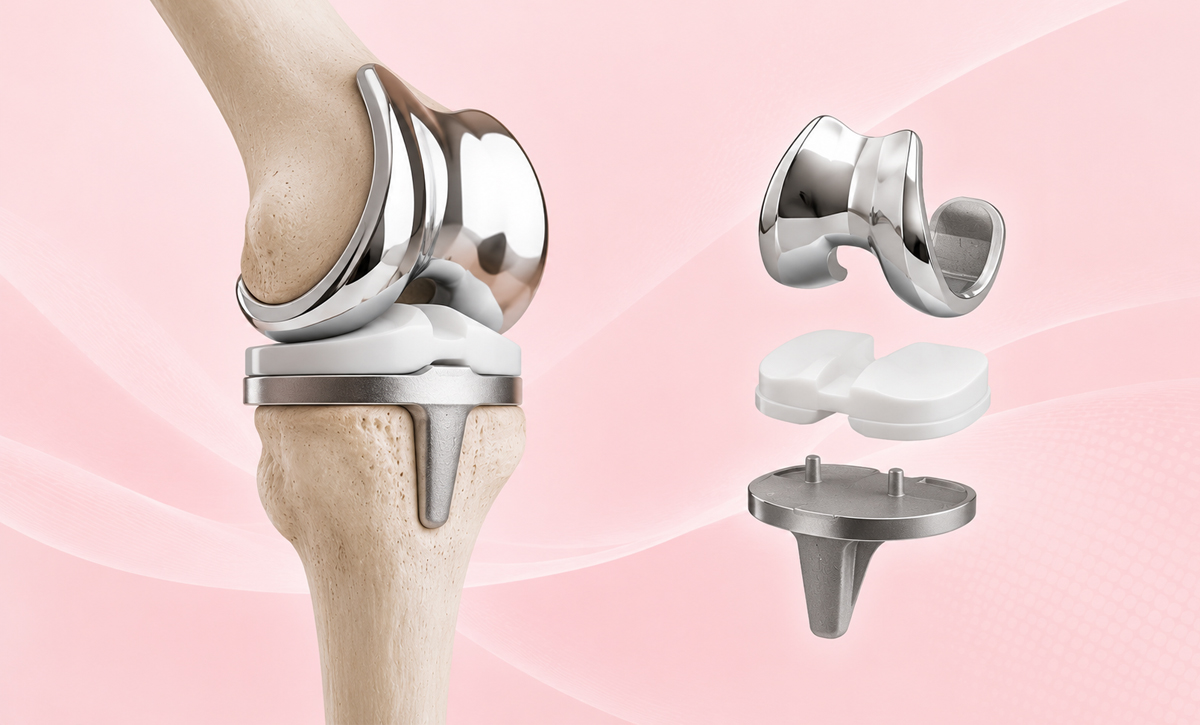
Total knee replacement surgery
Damaged joint surfaces are replaced with artificial components to reduce pain and improve mobility. It is generally considered when severe joint damage affects daily life.
Hip replacement surgery
Hip replacement may be recommended for advanced arthritis, certain fractures or severe joint damage.
Arthroscopy surgery
Arthroscopy uses a small camera to examine and treat selected joint problems through small incisions. It may be used for certain ligament, cartilage and meniscal injuries.
Sports injury treatment
Sports injury treatment may include rest, bracing, physiotherapy, rehabilitation, injections or surgery, depending on the injury.
Fracture and trauma care
Fractures may require immobilisation, realignment, fixation or surgery, followed by rehabilitation.
Can Joint Pain Be Treated Without Surgery?
Yes. Surgery is not required for every orthopaedic condition.
Non-surgical joint pain treatment may include:
- Physiotherapy
- Medication
- Exercise therapy
- Weight management
- Activity modification
- Pain-management procedures
- Injection therapies
What Happens During the First Consultation?
During the first visit, the orthopaedic doctor may review:
- When the symptoms began
- Previous injuries
- Existing medical conditions
- Treatments already tried
- Pain during movement or rest
- Previous scans and reports
Cost of Orthopaedic Surgery in Kolkata
The cost of orthopaedic surgery varies according to:
- Type and complexity of the procedure
- Implant or surgical materials
- Surgeon and anaesthesia fees
- Room category
- Length of hospital stay
- Investigations and medicines
- Physiotherapy and rehabilitation
- Insurance coverage
Recovery After Orthopaedic Surgery
Recovery after orthopaedic surgery depends on the procedure, age, general health and commitment to rehabilitation. Physiotherapy may begin soon after surgery to improve movement, strength and balance. Patients should follow medical advice regarding walking aids, exercises, wound care and return to daily activities. Increasing pain, fever, unusual swelling, wound discharge or breathing difficulty after surgery should be reported promptly.
Why Consider Woodlands Hospital for Orthopaedic Care?
Woodlands Hospital provides orthopaedic and joint replacement care for conditions affecting the knees, hips, shoulders, ankles, wrists and spine.
Its orthopaedic services include:
- Joint replacement
- Arthroscopy
- Sports medicine
- Trauma care
- Reconstructive procedures
- Physiotherapy and rehabilitation
- Multidisciplinary support
Preparing for Your Consultation
Bring:
- Previous prescriptions
- X-rays, MRI or CT scans
- Medical reports
- A list of current medicines
- Details of medical conditions
- Insurance documents
- Questions for the doctor
Book a Consultation Today
Take the first step towards expert surgical care.
Conclusion
Choosing the best orthopaedic surgeon in Kolkata requires careful evaluation of qualifications, condition-specific expertise, communication and hospital support. Whether you need conservative joint pain treatment, sports injury care, arthroscopy or joint replacement, the right decision should begin with a detailed medical assessment. For an Orthopaedics and Joint Replacement consultation at Woodlands Hospital, call 9951 333 333.